Showing posts with label non-fiction. Show all posts
Showing posts with label non-fiction. Show all posts
Sunday, July 05, 2020
Book # 28 of 2020: How to Meditate by Pema Chodron
We are entering month five of lock-down in Panama. The first 3 months were spent teaching online. Then, we started summer break from school and have been in the apartment for 3 weeks on "vacation." It looks like we will remain on lock-down for the next month and then resume teaching online from home in August. Travel is barred domestically and internationally. I can only leave the apartment for short shopping windows 3 times a week, and we are supposed to shop within 1km of our residence.
The only way I maintain my sanity under these conditions is to regard this all as a mindfulness retreat. Every morning: yoga, Tai Chi, mindfulness, and then an online class followed by Rosetta Stone practice. Then, it's reading in the bed for a while, reading on the chair for a while, and reading in the hammock for a while.
Pema's book helped me with some simple self-discipline techniques as I try to maintain daily practice. She gives really strong advice about dealing with the emotions during mindful practice. Clear, elegant, charming, and often funny. Recommended!


Tuesday, May 26, 2020
Book #21 of 2020: The Discovery of France by Graham Robb
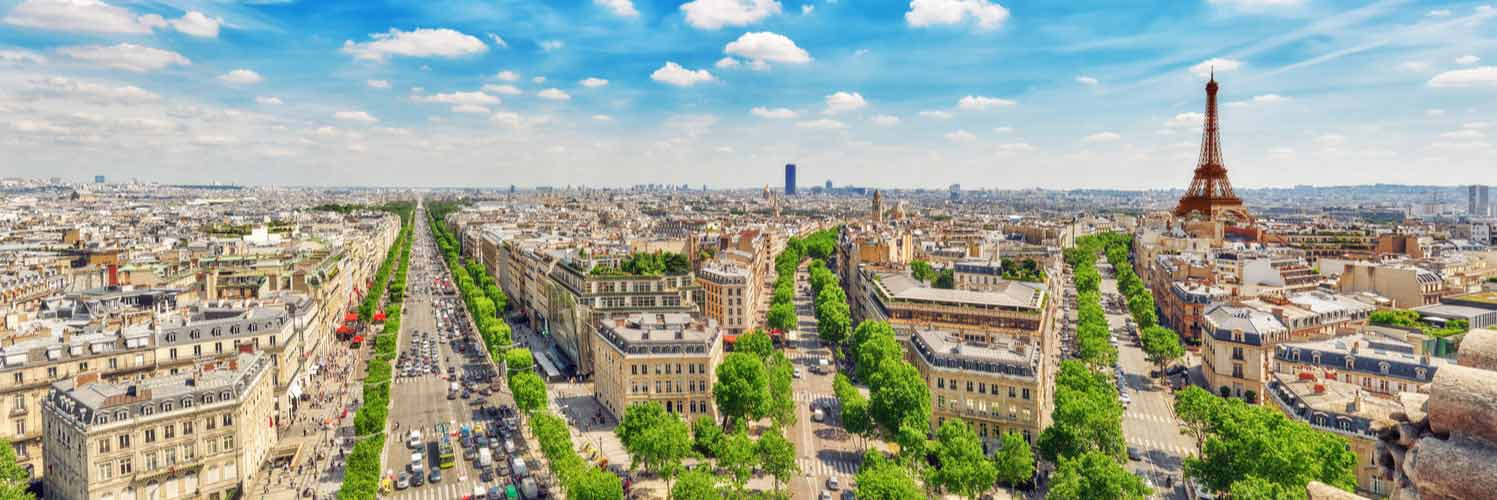
We think of France and we think of an established, wealthy nation with a long history, not all of it worth celebrating. We think of philosophy, art, and literature. We think of landmarks, wine, and renowned cuisine. We think of the Enlightenment and wars of religion and Crusades both interior and exterior to the country.
But until very recently France was a nothing more than a loose association of tribes, and the spectacular natural beauty of the country was largely undiscovered by residents, let alone tourists. Robb's book shows how "France" was forced upon most of its residents, who often did not speak or read its language into the 20th century. A cartographer on a Royal mission is assassinated by suspicious locals. Beaches are regarded as unhealthy and residents avoid them at all costs. Cats and tripe are common fare in restaurants. Locals don't drink the local wine, which they regard with contempt. Soldiers conscripted into the army at the advent of WW1 have never heard of France and speak only local dialect. Much of France's tourist industry and many of its sports came from English adventure seekers trodding all over mountains and discovering things. It's a very interesting take on nation-building, and very eye-opening. At a time when France had enduring imperial experiments in Asia and Africa, the government had yet to colonize much of its own territory.
The book is full of delightful anecdotes told with humor, deep insight, and warmth. I highly recommend it. There might be lessons here for the current situation in the United States.
Saturday, July 15, 2017
Recent Reads
Love this short graphic history of the IWW and its radicalism, its struggle for justice for the oppressed, and its myriad accomplishments. Social Studies teachers take note that this has substantial usefulness if you teach economics, labor, civil rights, or race relations as part of your curriculum. I dreamed I read about Joe Hill last night--in cartoon form!
Had a nice conversation with a Lyft driver from Nigeria about politics in our home countries and about the immigrant experience in Trump's America. I told the driver about this novel, which focuses on the experiences of a half-Nigerian, half-German immigrant living and working as a psychiatrist in NY. The narrator sees the world mostly through a European lens, with European attitudes, tastes, and morals. He seems a nice sort, well-rounded and hard-working, intellectual and curious about the world. But he is unable to really connect with other immigrants, those living on the margins of Western societies. Though he is familiar with and a bit sympathetic to their reasons for radicalization, he is too inside his European self to really understand them. There are nods to Edward Said, Noam Chomsky, Franz Fanon. Late in the book a childhood acquaintance confronts the narrator about a long-repressed crime. This crime serves as analogy for the West's imperial/colonial crimes and their repression on a societal level. A beautiful and sad work, quite substantial.
And speaking of beautiful and sad works--damn! Great portrayal of Lincoln's grief at the loss of his son. The manner of story-telling here is documentary style, with snippets from correspondence, diaries, newspaper reports, and also from the POV of denizens inhabiting a purgatory centered around the cemetery where young Lincoln is buried, and where Abe goes late at night in his despair. Like most of Saunders's fiction, the tragic is balanced by outrageous hilarity. A brisk and thoughtful work, clever in construction and much deeper than expected.
Dixon is an acquired taste, one I acquired back in the '90s when I read Frog. No other writer peels back the curtain on his process to this degree--the reader is plunged into the reminiscences, revisions, and constraints that went into the craft of the story. In fact the structure of his work often IS the story being written overtly on the page. Knowing his oeuvre quite well, I would place this in the middle tier of his novels. It's quite frustrating at times and at others is deeply sad or hilarious. What I like most about Dixon's fiction is his ability to show through that unique voice our own fussy self-revisions, repressions, and constraints--how we craft our own stories about ourselves and those we love. I remember him signing Frog for me at Borders back int he '90s, and correcting by hand with a blue marker two typos before returning it to me. Mind you, Frog is like 800 pages long and he flipped quickly to both spots and made the corrections. Something one of his narrators would do, or do do, or would think about doing and then not.
Chunks of a giant comet smashed into Earth 12,000 years ago, destroying an already advanced human civilization. A few survivors roam Earth teaching other peoples the lost knowledge, and encoding warnings about the calamity's return in sites like Gobleki Tepi and the Giza plateau. I like Hancock's books--because I, too, believe there have been previous civilizations here that were destroyed, and that the presumption we have achieved the heights of wisdom and knowledge and that all who came before are "primitive" is likely the sort of hubris that sank the Atlanteans. But I don't always buy Hancock's arguments or his reasoning--what is a speculative leap on one page becomes an accepted fact later. But: FUN!
Sometimes gorgeous and wise, sometimes cloying and silly--but always worth the journey.
Subscribe to:
Posts (Atom)